What is success? Is it the physical achievements we earn throughout our lives? Is it money? Or is it satisfying our fulfillment? Or is it balance?
Success is hard to define, but I would describe it as achieving a good balance between worldly successes and spiritual fulfillment. There is no definite definition for it, as it can be measured in many ways. I believe that a good mix of persistence, patience, resilience, and hard work, combined with inner peace, collectiveness, and humility, is a path to success in my eyes.
Success can also be about feeling that you have achieved your purpose in life without being swayed by the world’s definition of success. Awards and recognition are ways to acknowledge achievements, but they shouldn’t be seen as the only definition of success, as they can lead to superficiality and arrogance if not handled correctly. People often chase after worldly things to feel a sense of achievement and hierarchy, but is that our true purpose in life?
Many believe their sole purpose is to gain recognition for their achievements, but that is just worldly success. What about our journey in life? We should strive to achieve not only worldly successes but also spiritual fulfillment. Finding a balance between worldly pursuits, family, and spirituality is the true road to success, not just money, fame, and trophies.
Success is a multifaceted concept, and its definition varies from person to person. Ultimately, it’s about finding a personal balance that aligns with your values and brings you genuine fulfillment. Reflect on what success means to you and embark on a journey that not only seeks external achievements but also nurtures your inner self.
Suffering is a universal experience, and various religious traditions offer different perspectives on its nature and purpose. By examining these views, we gain insights into how different cultures and belief systems address the challenges of human existence.
Buddhism
In Buddhism, suffering, or “Dukkha”, is a fundamental part of life, ranging from deep pain to everyday frustrations. The Four Noble Truths teach that living means experiencing suffering, mainly due to the unfulfilled desires people constantly chase after. The First Noble Truth states that to live is to suffer. The Second Noble Truth explains that suffering arrises from desires. The third Noble Truth suggests that to end suffering, one must also end desire. The Fourth Noble Truth offers following the Noble Eightfold Path as a solution to end suffering. Ultimately this will lead to a state of Nirvana which is the end of suffering and the attainment of lasting inner peace and liberation.
Islam
Islam views human suffering as an integral part of existence, necessary for the development and growth of individuals and humanity as a whole. According to Islamic teachings, suffering is not an independent entity but rather the absence of happiness. The Quran suggests that suffering serves as a test of faith and a means for personal and spiritual development. It is seen as a reminder of the short life we have and pushes us to seek closeness to God (Allah), who is eternal. Free will plays a crucial role, as many forms of suffering arise from human actions. While natural suffering is difficult, it promotes resilience and scientific progress. Ultimately, Islam teaches that suffering helps refine human character, deepen faith, and prepare believers for the afterlife, where they believe just rewards await.
Christianity
In Christianity, suffering is understood through the lens of Jesus’ life and teachings. He rejected worldly power in favor of a path of humility and suffering, teaching that “The Son of Man must suffer many things” (Luke 9:22). This idea highlights that suffering is not an end but a gateway to resurrection and new creation, addressing the consequences of sin. The cross, originally a symbol of suffering, became a “sign of victory” over evil and death, symbolizing hope and redemption. Christians are called to imitate Christ, embracing suffering as part of the redemptive journey, thus becoming “bearers of Christ” and participating in the broader narrative of salvation and freedom.
Hinduism
In Hinduism, suffering is seen as a natural part of life. Hindus understand that both physical and mental suffering are inevitable and often result from being attached to material things. To achieve moksha (liberation) and break free from the cycle of samsara (rebirth), Hindus work to let go of these attachments as part of their personal duty, or dharma. A key principle in Hinduism is ahimsa, or non-violence, which means treating others with kindness and avoiding harm. By practicing ahimsa, such as through charity and helping those in need, Hindus aim to accumulate good karma and move closer to moksha. Hindu scriptures, like the Mahabharata, advise treating others as one would like to be treated, encouraging empathy and understanding of others’ suffering.
Judaism
Judaism sees suffering as a complex issue that challenges the idea of an all-powerful, benevolent God. The Bible acknowledges that suffering is part of human life, and Jewish thought offers various explanations. Some believe suffering comes from the world’s separation from God, while others, like Maimonides, see it as part of the universe’s order or as a form of purification. Jewish practice emphasizes compassion and actively helping those in need, especially in cases of illness and poverty. Suffering is sometimes viewed as punishment for sin, but this can be difficult to accept, especially when innocent people suffer.
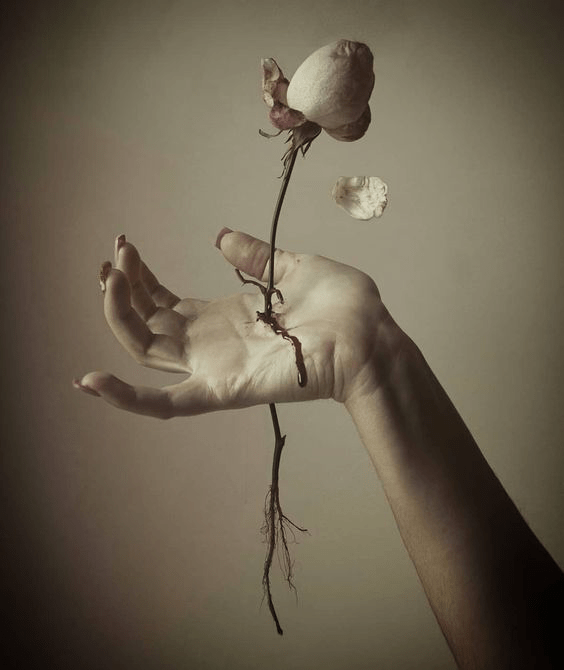
Have you ever wondered why we suffer? It’s easy to see it as a curse, but what if suffering is actually a gift from the universe, an essential part of our existence?
People often see suffering as an everlasting curse on humanity. But honestly, it’s just another gift from the universe. I’m not saying we deserve to suffer; rather, life was given to us in this way. Without suffering, we’d struggle to perceive paradise. Humans are meant to experience a range of emotions, and suffering is part of that spectrum. Some believe any emotion other than happiness or other positive feelings is considered suffering, but these are just emotions. We need them to be human, to truly live. Even in a world with the most perfect life, individuals would still question perfection. Due to the complexity and curiosity of humans, we delve into the idea of suffering, thinking it’s universal. We think our purpose is to break free from it, but in reality, suffering shapes who we are.
Humans tend to get frustrated with the loss of control in their lives. Since they can’t control what is around them, they feel like a speck in this world. Society has shaped us to think this way. Because of the constant thought of this never-ending cycle of life, people worry and start digging themselves into a hole. They drag themselves down until they die. We live in a cycle of constantly chasing after things and seeking satisfaction in life, forgetting about everything around us. Because of this, we forget about balance. The desire to reach a state of satisfaction leads to suffering within.
If you think about it, there isn’t necessarily a reason why we suffer, and there isn’t a single answer for it. All I know is that it exists in every single one of us. Perhaps the key lies in accepting suffering as a fundamental part of our existence and learning from it, allowing it to shape us into more empathetic and resilient individuals.


 Theological Takes